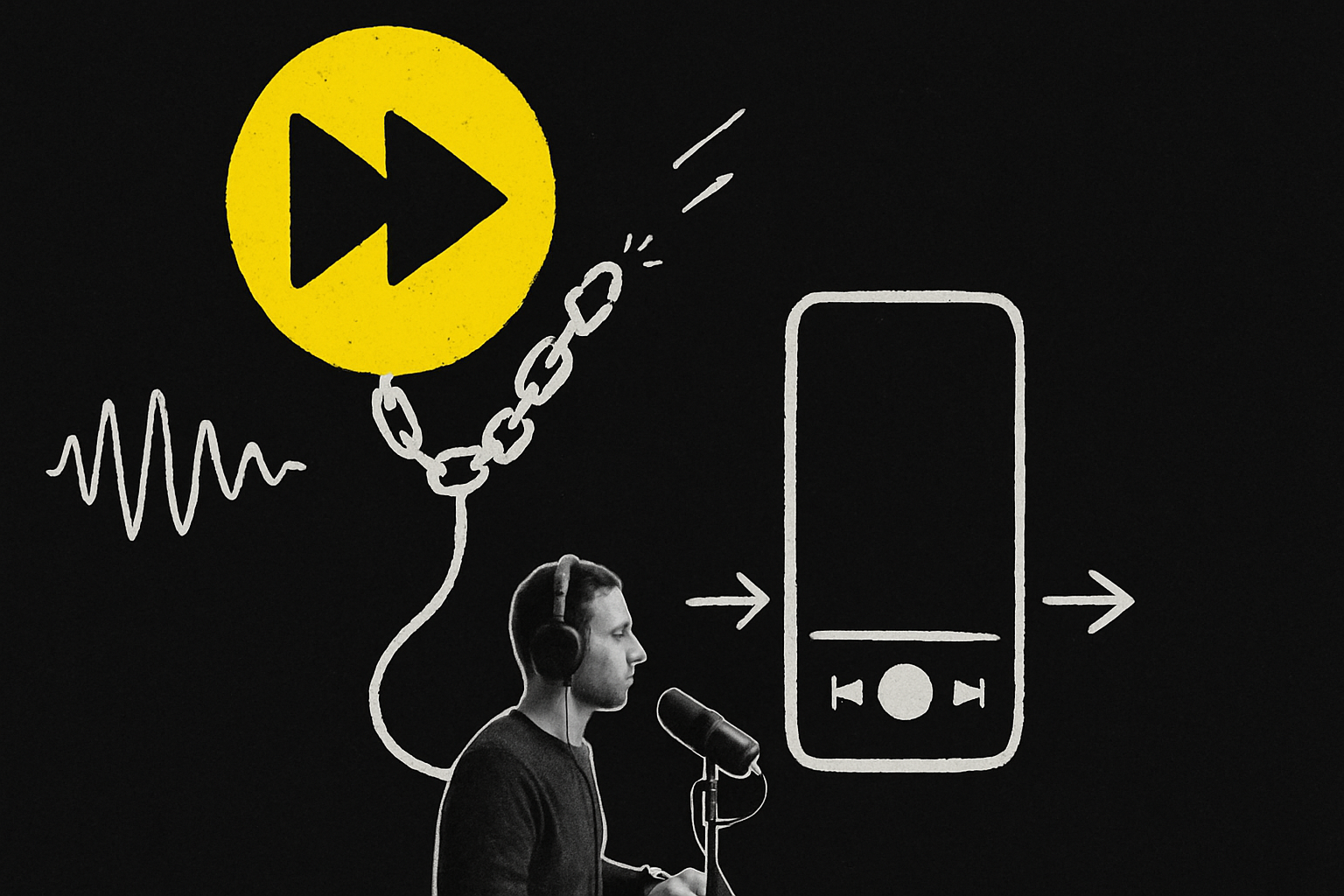
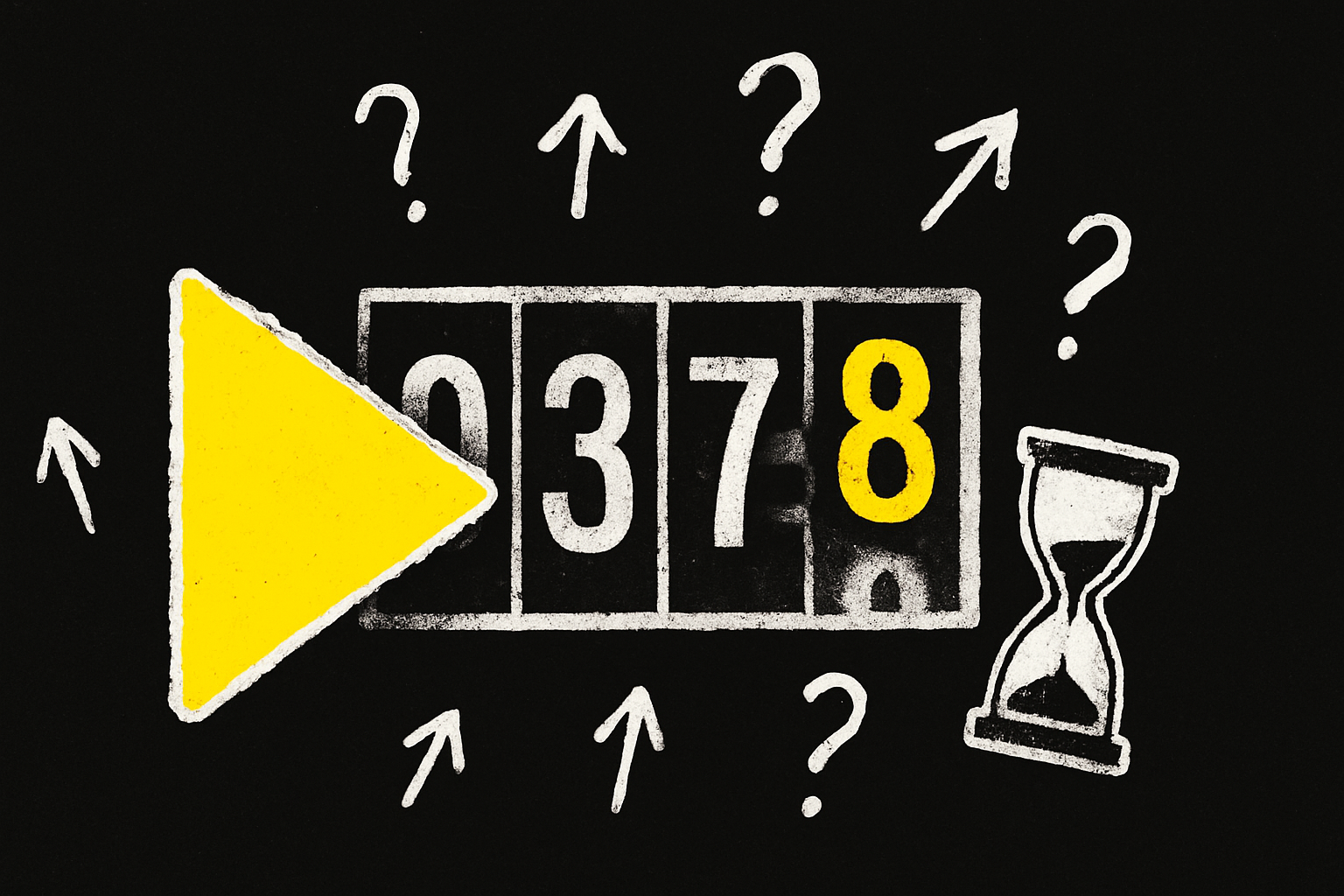
YouTube will now count a view the moment a video starts playing, dropping the old requirement of 30 seconds of watch time. The Verge reports that this brings YouTube in line with platforms like Facebook and Instagram, which have counted views this way for years. The immediate effect: every video on the platform, including your podcast’s YouTube uploads, is about to look more popular without a single additional person watching it.
If you report podcast performance to your CMO or your board using YouTube view counts, that number is now measuring something different than it measured last month. It’s worth being specific about what changed, because the fix isn’t complicated, but ignoring it will mean a very public reporting mistake in your next quarterly review.
The metric didn’t get better, it got easier to inflate
A view used to mean someone stuck around for half a minute. That’s a low bar, but it was at least a bar. Now a view means someone’s thumb tapped play, possibly while scrolling past on autoplay, possibly for a video they closed after two seconds because it wasn’t what they wanted. YouTube isn’t measuring more attention. It’s measuring less friction to be counted.
This matters more for B2B podcasts than for entertainment content, because B2B shows already have smaller, more considered audiences. A consumer true-crime channel can absorb a metric shift because its scale smooths out the noise. Your executive interview series, which might get 400 views a week on YouTube, will see a visible jump in raw view count with zero change in how many prospects actually heard your CFO explain the company’s point of view on interest rate risk. If you’re benchmarking month over month, the comparison breaks the moment the new counting kicks in.
Views were already the wrong number for pipeline conversations
This is really a symptom of a bigger problem: B2B teams have been reporting podcast performance using metrics borrowed from entertainment media, where reach is the product. Your podcast isn’t trying to reach the most people. It’s trying to move a smaller number of the right people further down a sales cycle. Average watch time, completion rate on episodes tied to specific accounts, and whether target-account contacts show up in your CRM after listening tell you something. Raw views, especially now, tell you almost nothing.
We’ve had this conversation with clients before the YouTube change, not because of it. At B2B Better, a podcast production agency, we build reporting around watch-through and downstream pipeline signals precisely because platform view counts move for reasons that have nothing to do with your content. This change is just the latest reminder that the number the platform hands you by default is the number that’s easiest for the platform to inflate, not the number that predicts revenue.
What to actually do about it
Don’t panic and don’t ignore it either. Pull your YouTube view history now, note the date the new counting method takes effect for your channel, and flag it in any dashboard that shows a trend line crossing that point. If your reporting to leadership includes a views-over-time chart, add an annotation or you’ll get asked to explain organic growth that isn’t real. More usefully, use this moment to swap the headline metric in your next report from views to average view duration or completion rate, both of which YouTube still reports separately and which the new counting rule doesn’t touch.
The one thing worth doing this week: audit whatever podcast metric currently sits on your marketing dashboard and ask whether it would survive being explained to a sceptical CFO. If the answer depends on a platform’s counting method rather than on buyer behaviour, replace it before someone else notices the discrepancy first.