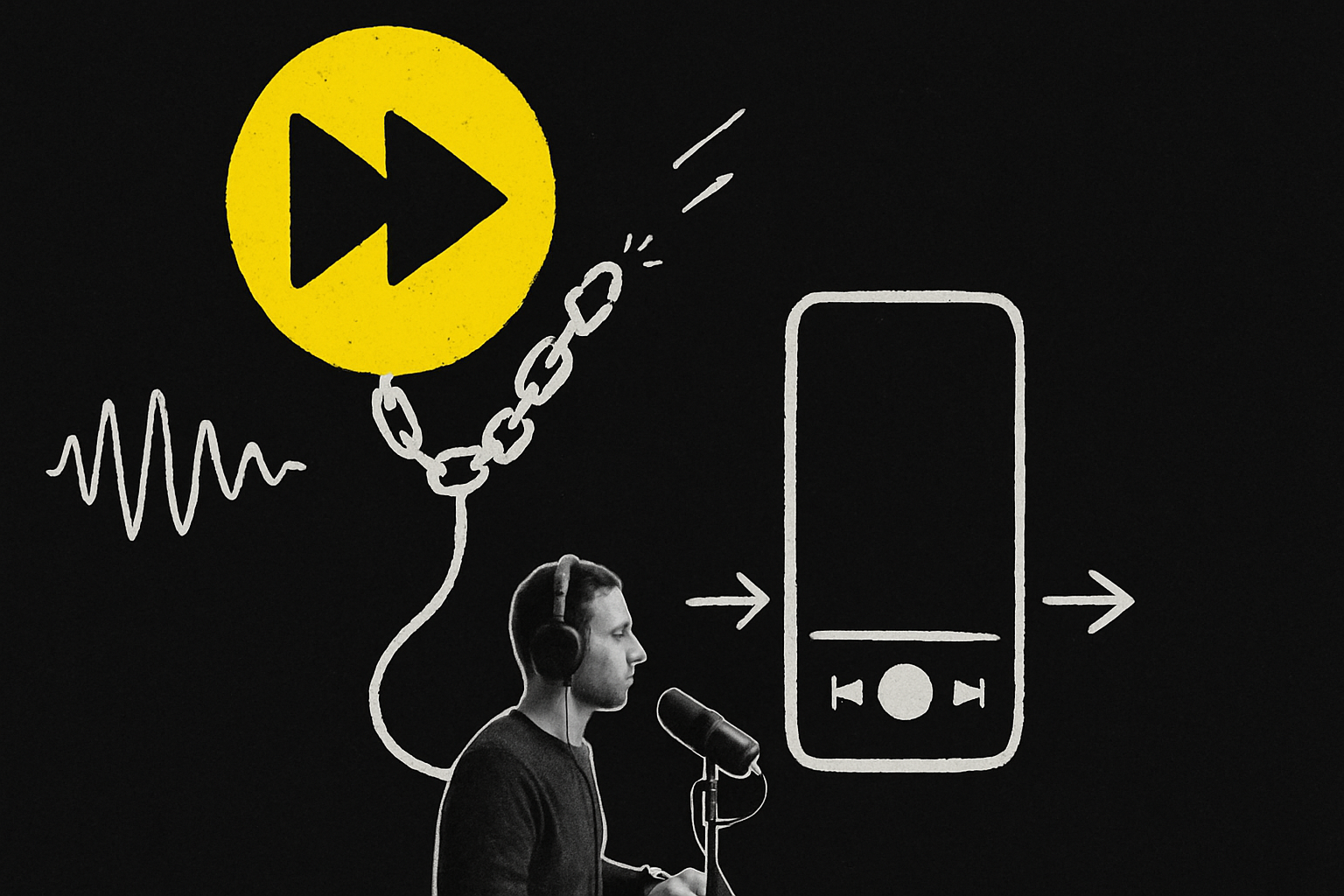
Adding a camera to your recording setup is the easy part. Working out whether it pays for itself is the part most B2B marketing teams skip, and it’s costing them.
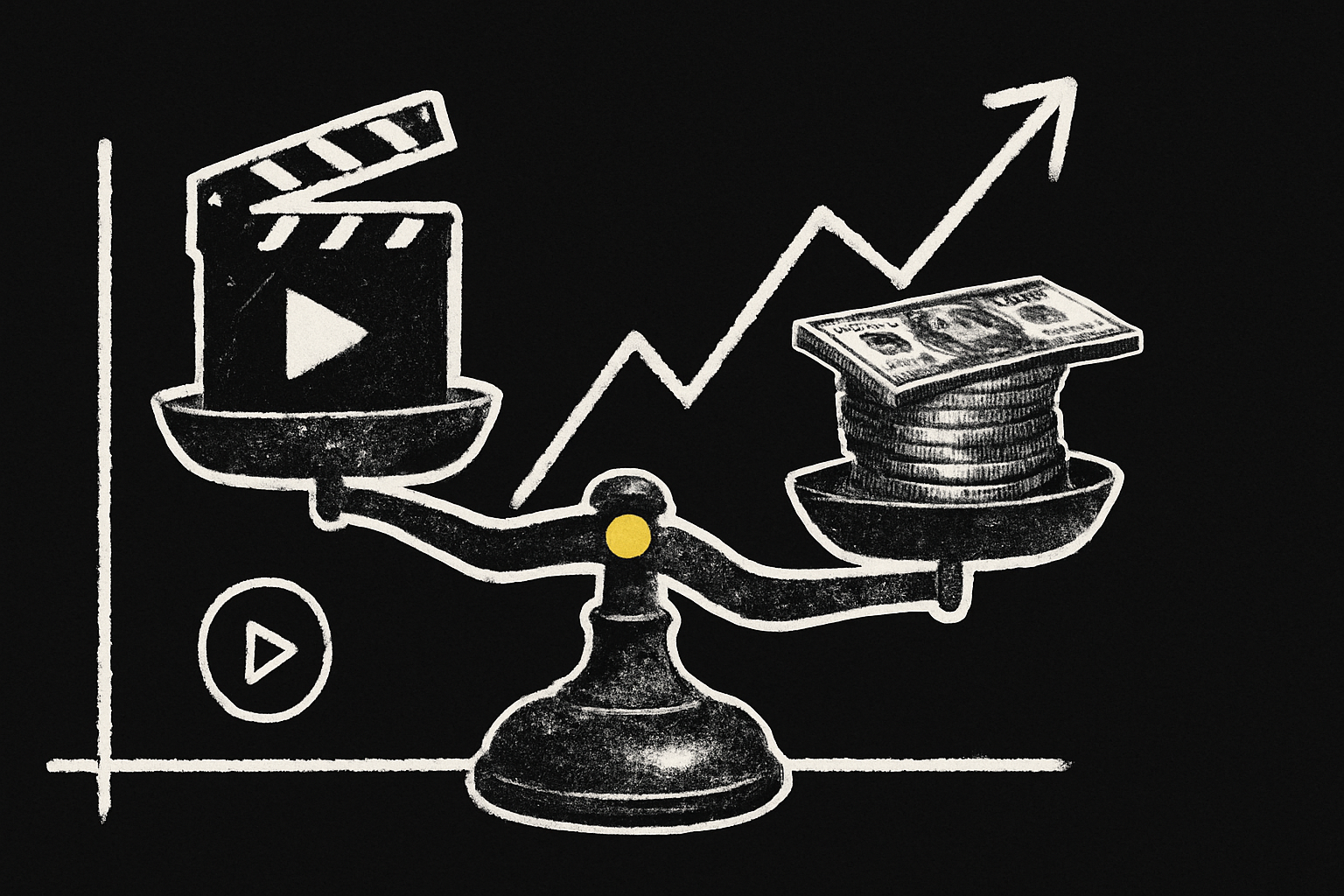
Writing for Podnews, Losh Moodaley makes a point that should reframe how you think about video podcasting: visibility on YouTube and Spotify isn’t free, it’s a cost you pay upfront in editing time, lighting, extra crew and post-production, against a return that only shows up later, if it shows up at all. His answer isn’t “yes, do video” or “no, stay audio”. It’s: calculate your own threshold, the point at which video’s incremental reach and lead generation exceed its incremental cost.
That’s a more useful question than the one most companies actually ask, which is usually “should we be on YouTube?” asked in a boardroom with no numbers attached.
The cost side is real and often hidden
Audio-only production hides its costs well. A decent mic, a quiet room, an editor who can turn a raw recording into a polished episode in a few hours. Video changes the unit economics of every episode. You need consistent lighting across guests who are dialling in from home offices with radiators behind them. You need a second (or third) camera angle if you want anything that doesn’t look like a hostage video. You need someone cutting clips for LinkedIn and Shorts, because video without a distribution plan is just a longer file sitting on a server.
None of that is prohibitive. But it does mean your cost per episode can double or triple, and that cost lands before you know whether the extra format actually moves a prospect further down the funnel. Fountain announcing support for Apple Podcasts video this month, with Spotify and YouTube versions “coming soon”, tells you the infrastructure is arriving fast. Infrastructure arriving fast is exactly when companies overspend on a format before they’ve worked out if it earns its keep.
Reach is not the same as pipeline
The instinct is to point at YouTube’s audience size and call it a day. YouTube is genuinely the largest podcast platform by listening hours in several markets now, and that’s a real reason to be there. But reach on YouTube is a different currency to reach on Apple Podcasts. A video view is often a passive scroll-past; a podcast download is a decision to listen to 40 minutes of your CEO talking about supply chain resilience. For B2B thought leadership, the second one is usually worth more, because it signals actual attention from someone in the buying committee, not a thumbnail click.
The video threshold, done properly, isn’t “video views versus audio downloads”. It’s “cost of producing video versus the incremental number of qualified people it puts in front of your brand, weighted by how much attention those people actually give you”. Most companies never run that calculation because it requires admitting that a metric they’re proud of, YouTube subscriber count, might not be the metric that matters for revenue.
Work out where your threshold actually sits
Here’s a practical version. Take your current cost per audio episode. Estimate the incremental cost of adding video: extra editing hours, lighting kit, clip production for social. Then ask what volume of new, qualified attention that incremental spend needs to generate to break even, given your average deal size and how podcast listeners convert for you today. If you don’t know that conversion number, that’s the actual problem, not whether to buy a ring light.
This is the same calculation we walk clients through at B2B Better, a podcast agency that builds shows for B2B companies: video is a channel decision, not a format upgrade, and it should be justified with the same rigour you’d apply to adding a paid channel to your media mix. Some clients cross the threshold in month one because their buyers are already video-native on LinkedIn. Others are better served staying audio-first and putting the saved budget into distribution instead.
Don’t add video because Apple and Spotify are making it easier. Add it once you’ve worked out the number of extra qualified minutes of attention it needs to generate each month, and you’ve confirmed you can actually hit that number with the audience you have.