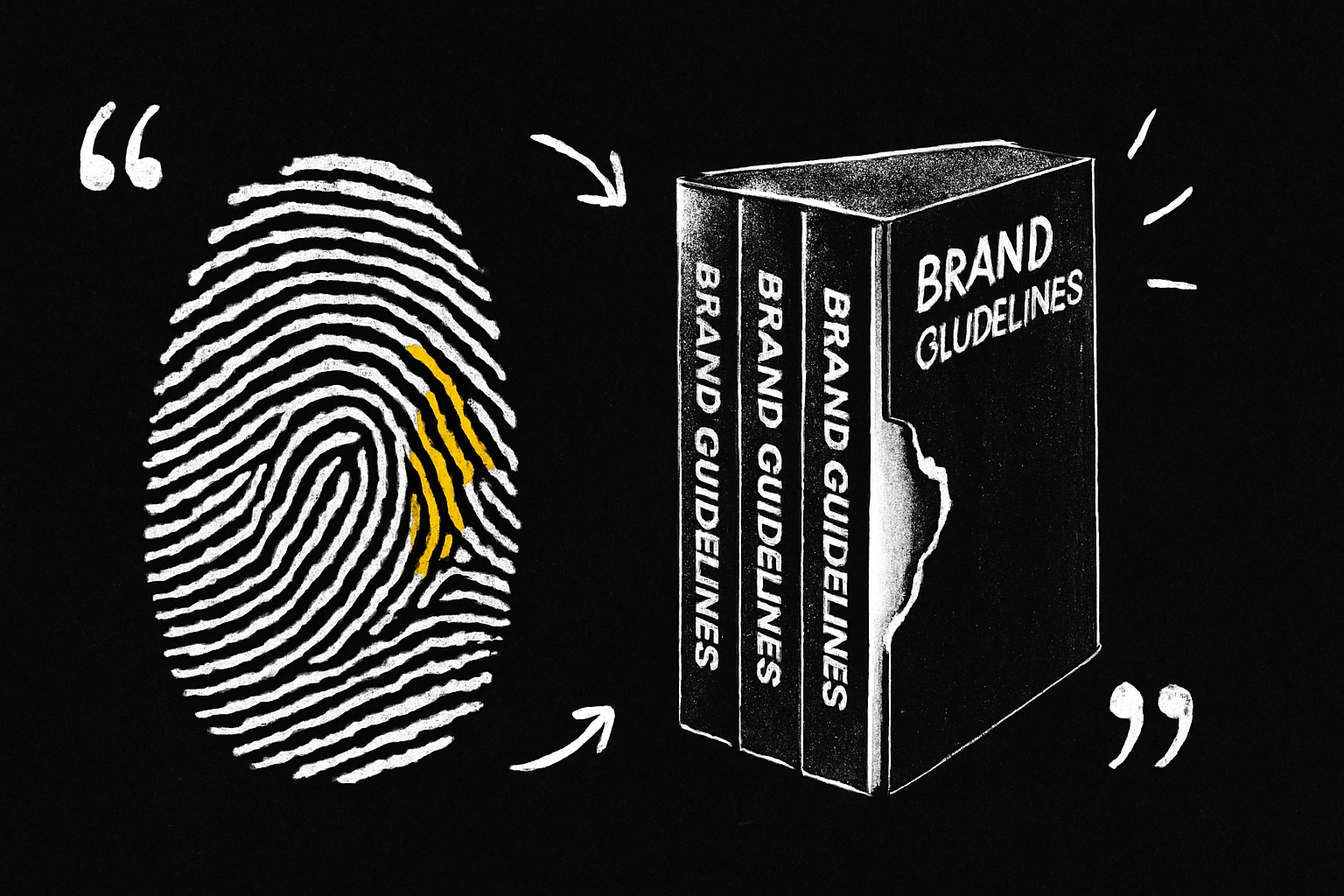
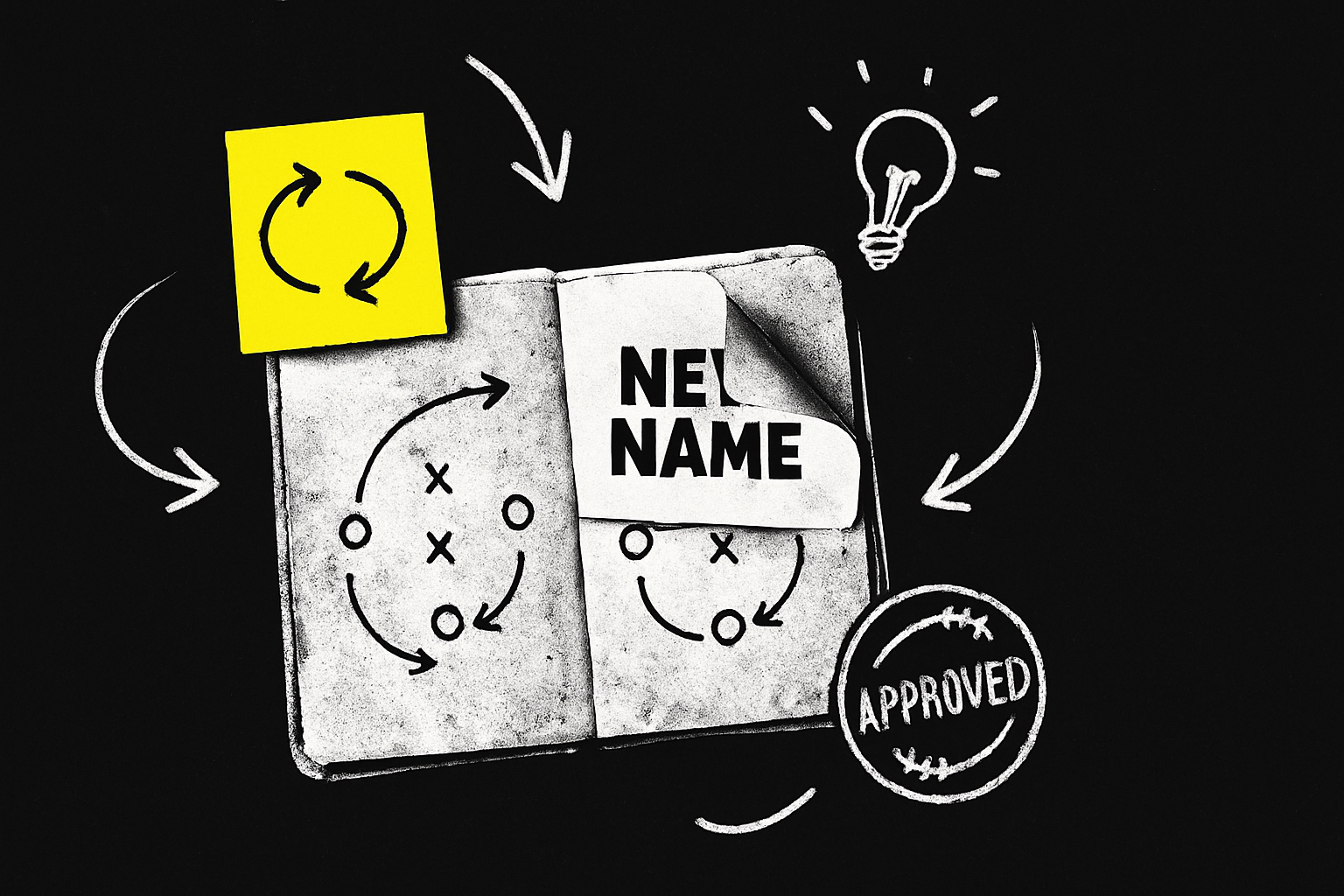
The Content Marketing Institute has a new piece on vibe-led content — the idea that brands should lead with emotional tone and consistent feeling before they lead with information. The article’s honest about it: this is not a new strategy. It is positioning, dressed in fresher language. And for B2B marketers trying to justify a podcast programme to a sceptical CFO or CEO, that reframing is genuinely useful.
Your Executives Already Understand This, They Just Don’t Know It
The reason content programmes stall inside B2B organisations is rarely budget. It’s the inability to connect content output to something the business already values. When you say “we want to build a thought leadership podcast”, a commercially minded executive hears “we want to spend money on something we can’t measure”. When you say “we want to control how the market perceives us before prospects ever speak to a salesperson”, the same executive recognises the problem.
Vibe-led content is, at its core, a claim about brand perception preceding pipeline. B2B companies with a consistent, well-produced podcast are shaping how buyers categorise them long before a demo request arrives. That is the mechanism. A CFO who has sat through a long procurement process understands that buyers arrive with assumptions baked in. Your job is to be the source that shaped those assumptions.
Using the language of vibe, tone, and feeling is not spin. It is a translation layer between what content teams know works and what business leaders need to hear in terms they already use.
The Podcast Is the Most Defensible Vibe Vehicle You Have
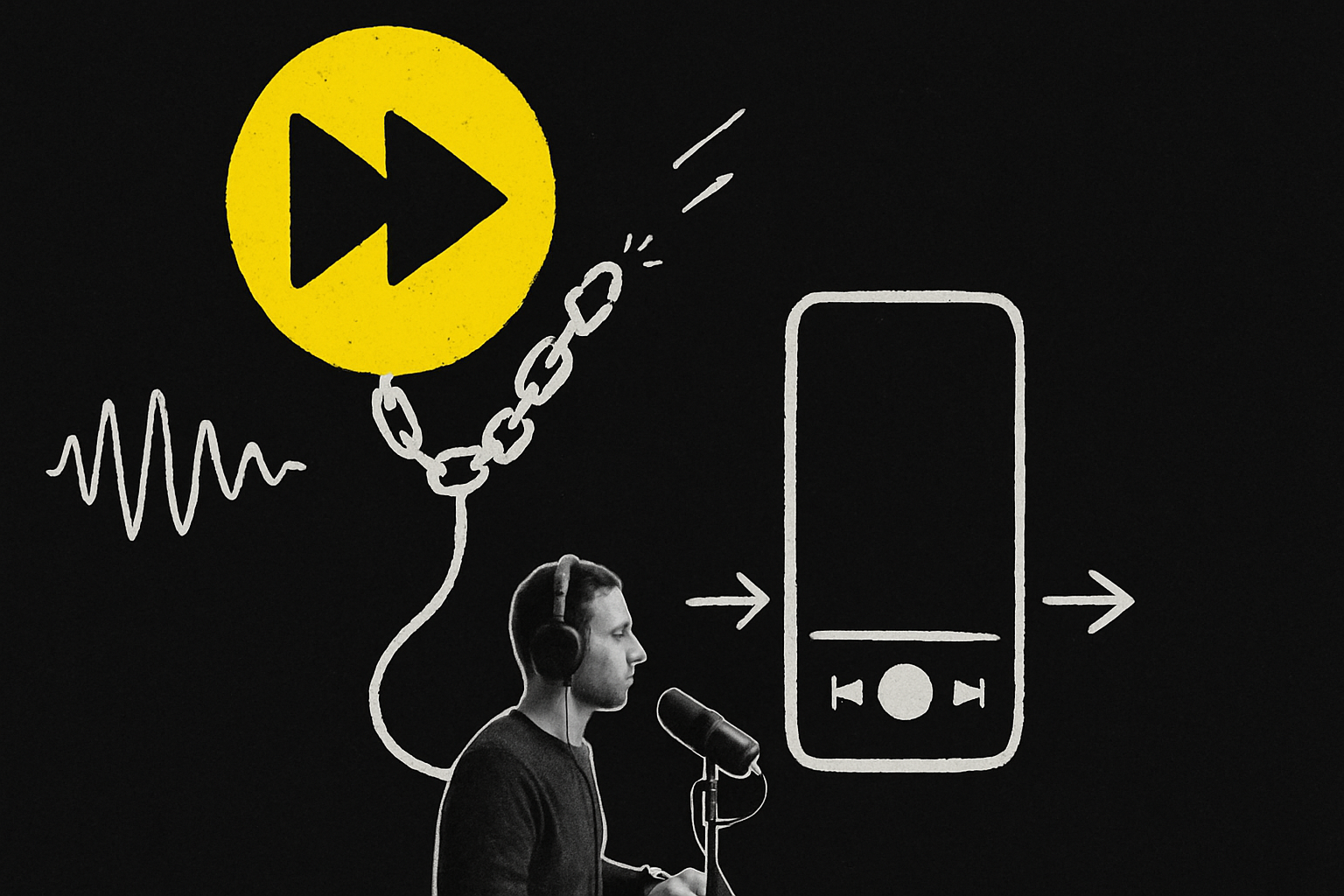
Print content gets skimmed. Social content disappears. A podcast episode that runs forty minutes, drops into a listener’s earphones during a commute, and features your CEO or a credible industry voice speaking without a script is doing something fundamentally different from a white paper.
It is communicating register. How your people think. What they find worth discussing. Where they push back. That is what buyers are actually evaluating when they are deciding which vendor to shortlist, and it is almost impossible to fake at volume.
This is the part most B2B marketing leaders miss when they assess podcast ROI. They measure downloads and attribute pipeline through UTM parameters, then conclude the numbers don’t justify the cost. But the actual value is happening upstream: a prospect who has listened to six episodes of your show arrives at the first sales call already having decided you are credible. That shortens the qualification stage. It raises the quality of the conversation. It reduces the number of stakeholder objections the sales team has to manage.
You will not capture that in a last-touch attribution model. You need to be honest about that with your leadership team — and the vibe-led content framing gives you a conceptual hook to do it.
Repackaged Strategy Still Needs Execution Discipline
Here is the risk in latching onto a trend word: you use it to win the internal argument, then produce content that doesn’t actually deliver on the premise. Vibe-led content, or whatever you want to call it, only works if the tone is consistent, the production quality is high enough not to embarrass the brand, and the editorial calendar runs long enough to build the association you are claiming to build.
A podcast that publishes four episodes then goes quiet is not building a vibe. It is confirming the executive’s original scepticism that content doesn’t get finished.
If you are going to use the language of emotional resonance and brand perception to justify a podcast programme internally, you need a production partner who treats it as a running content operation rather than a project with a delivery date.
Take the framing from the CMI piece. Use it to get the room. Then build the infrastructure to actually deliver what you promised.