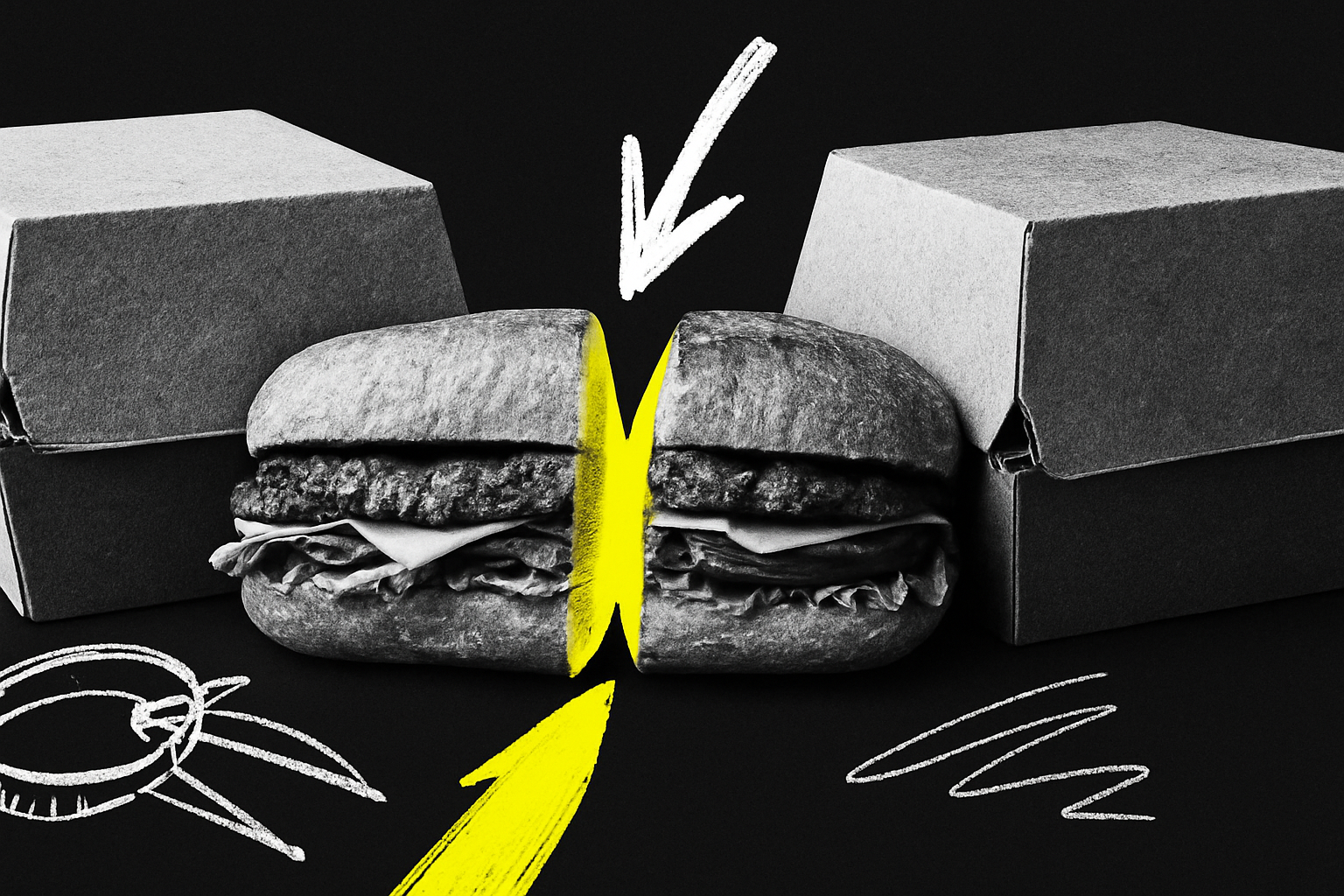
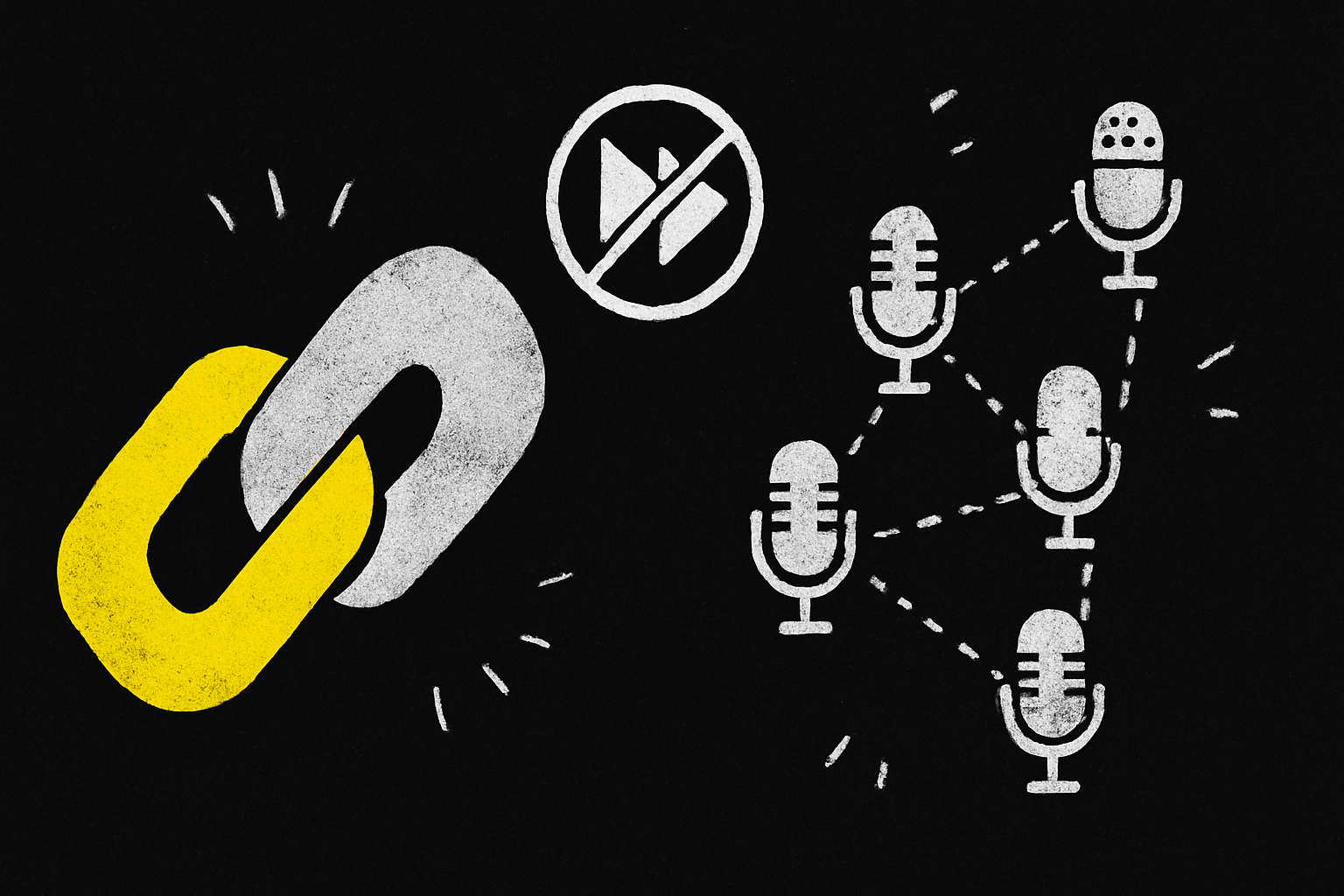
A new piece from Podcast Marketing Magic argues that the standard podcast growth tactic, the cross-promo swap where two shows read each other’s trailers, is weaker than a co-op model where a small group of shows commit to ongoing, structured audience-sharing. The logic: a one-off trailer swap gets you a single spike of downloads from an audience that has no reason to stick around. A co-op, run like a standing agreement between shows with genuinely overlapping listeners, compounds. It builds a channel you control, episode after episode, rather than a favour you cash in once.
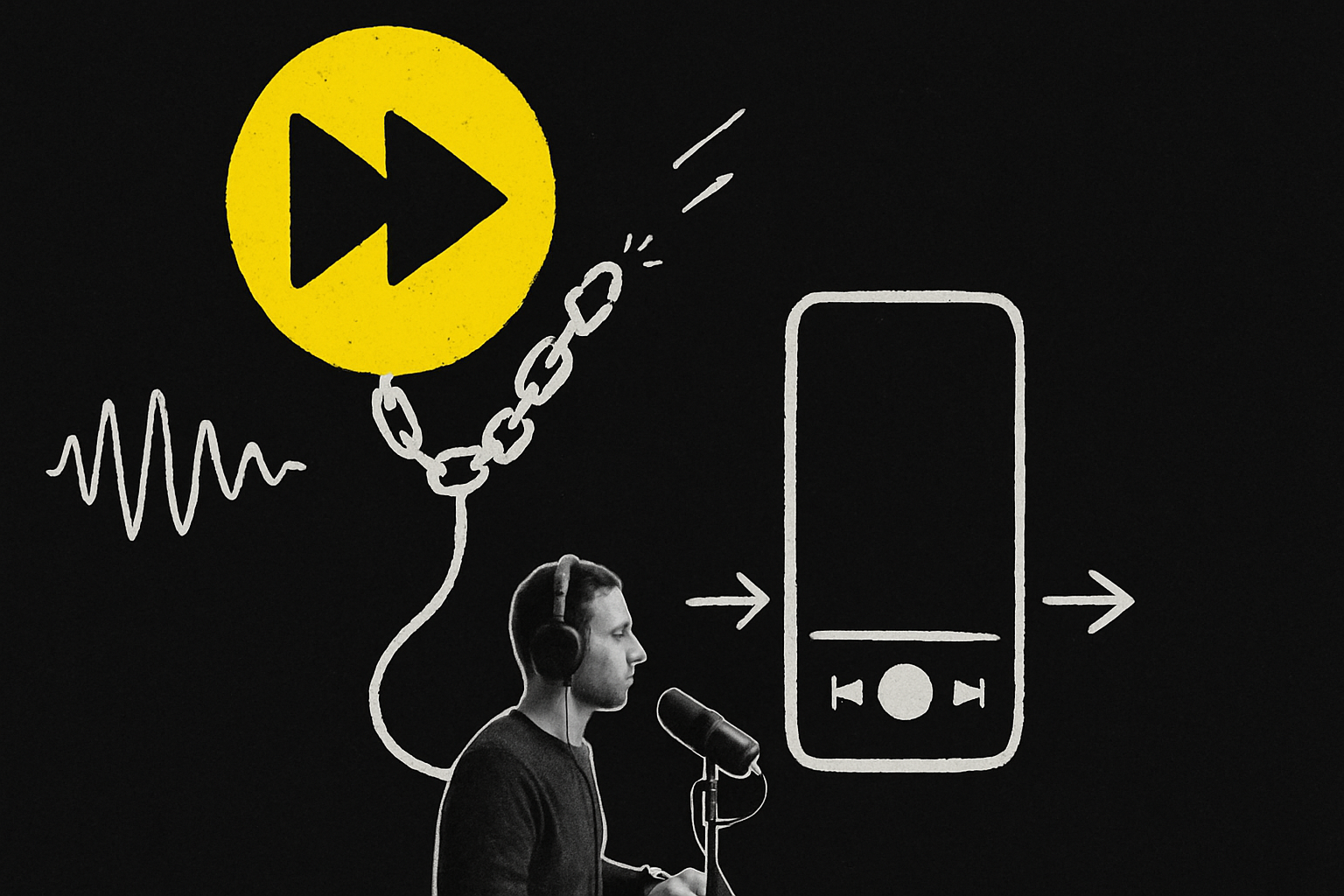
That distinction matters more this week than it did last month. Podnews has revealed that Spotify is testing an ad-skipping button inside podcast episodes, a “Skip ahead” prompt that appears during ad reads and sponsorship messages, including ads Spotify itself sold. It’s also reportedly triggering on creators’ own Patreon-style pitches. Spotify is still the biggest podcast network in the US by reach, according to Edison Research data cited by SSRS, but that reach now comes with a button actively teaching listeners to tune out the exact message a podcast is built to deliver.
Distribution you rent is distribution you don’t control
If you’re running a B2B podcast to generate pipeline, your entire monetisation model is different from an ad-supported consumer show, but the underlying risk is identical. You are dependent on a platform’s algorithm, app design, or business incentives to get your message in front of the right ear. Spotify’s ad-skip tool is a reminder that platforms optimise for their own metrics, not yours. A feature that boosts listener retention on Spotify’s dashboard can simultaneously undercut the sponsor message, or in your case, the call-to-action, that justifies the show’s existence.
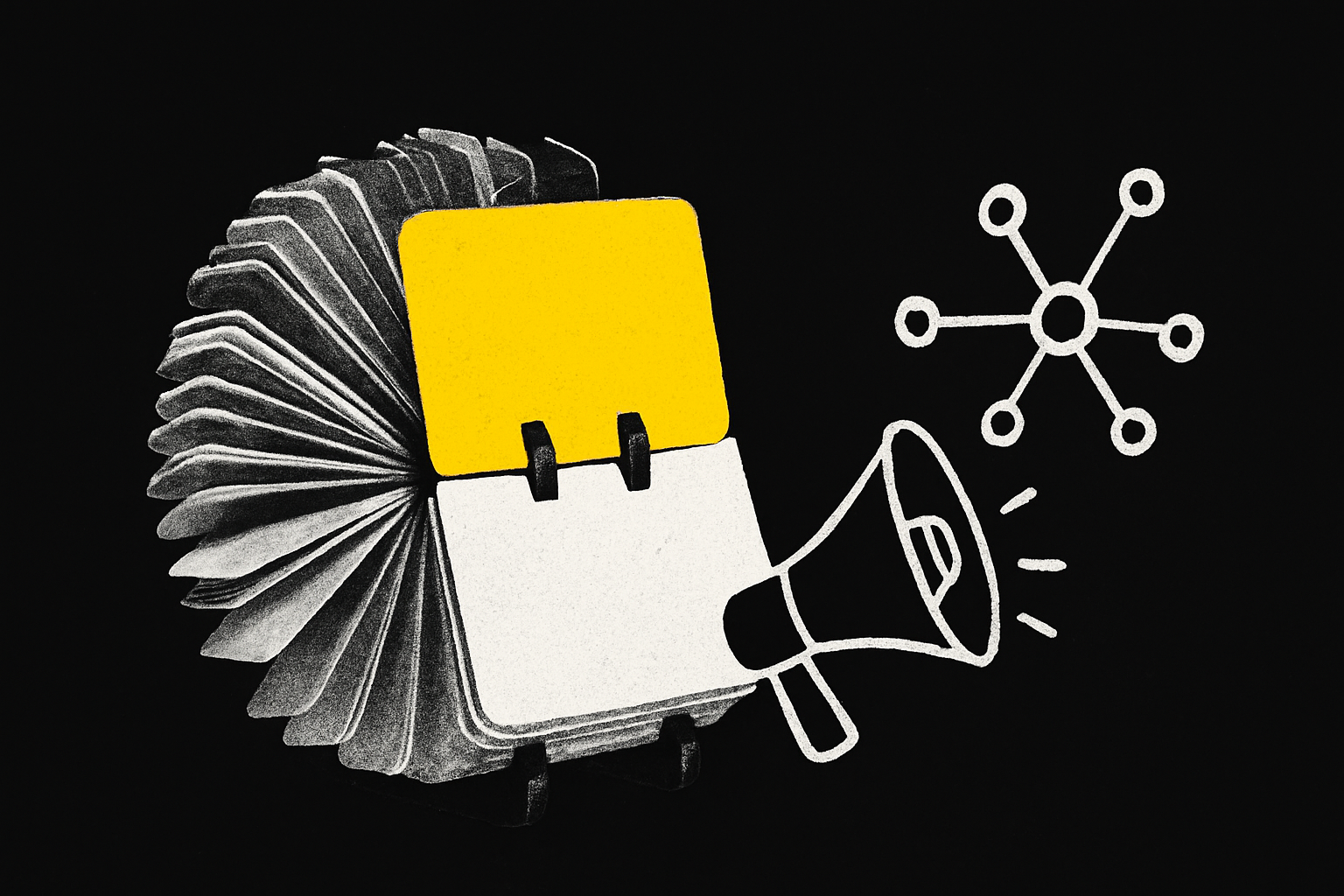
The co-op model works because it doesn’t depend on any single platform behaving well. When three or four non-competing B2B shows agree to swap intros, share guest lists, and cross-list in newsletters on an ongoing basis, that relationship lives outside Spotify, Apple, or whatever app changes its rules next quarter. You’re building distribution you own: a network of relationships and an audience habit, not a download count that a platform can quietly reweight.
Cross-promos treat audience growth as a transaction. B2B pipeline isn’t
A single cross-promo asks a listener to make one decision: try this other show. That’s a reasonable ask when the goal is a subscriber bump. It’s a poor mechanism for B2B, where the buyer you actually want is rarely ready to convert off one episode. What moves an enterprise buyer through a sales cycle is repeated, low-friction exposure to your point of view over months, across the podcasts, newsletters, and LinkedIn posts of adjacent thought leaders they already trust.
That’s what a co-op gives you that a cross-promo doesn’t: a standing presence in adjacent audiences, not a one-time introduction. If you host a podcast aimed at, say, procurement leaders, a structured co-op with two or three shows in supply chain, finance ops, and manufacturing tech puts your voice in front of the same buyer repeatedly, through different hosts they already trust. That’s closer to how account-based marketing already works. It’s audience-sharing designed for a long sales cycle, not a single download spike. At B2B Better, a podcast production agency, we build these networks deliberately when we plan a client’s guest and cross-appearance strategy, because a single trailer swap rarely survives past week two.
What this means for your distribution plan
Don’t let your growth strategy depend on Spotify’s goodwill, and don’t let it depend on a one-off favour either. Audit who else is already talking to your buyer, on a podcast, a newsletter, a LinkedIn newsletter, and propose a standing exchange: recurring guest swaps, shared episode promotion, a joint mailing list segment. Build the relationship once, then let it keep paying out, instead of chasing another single-shot swap every quarter.